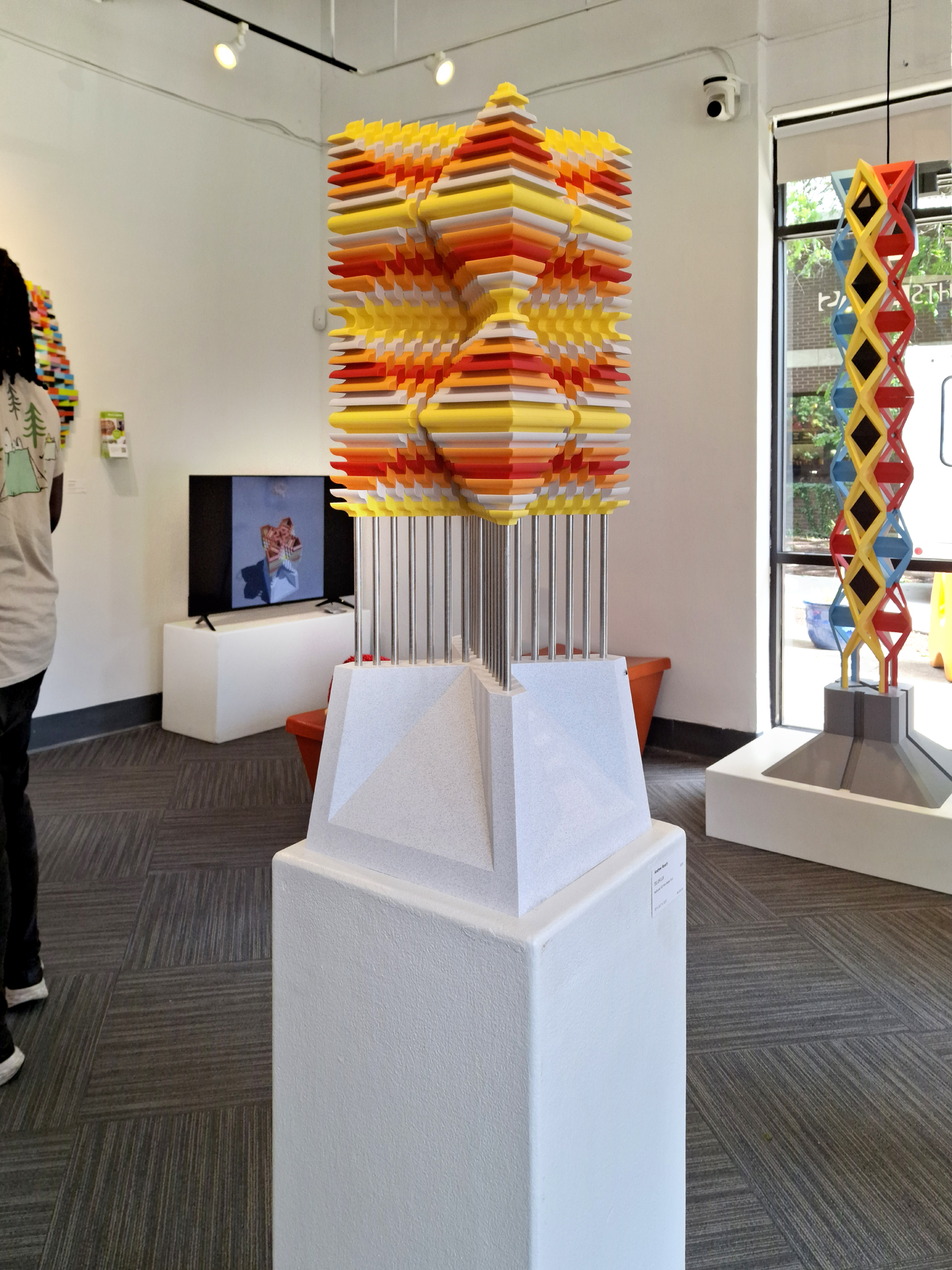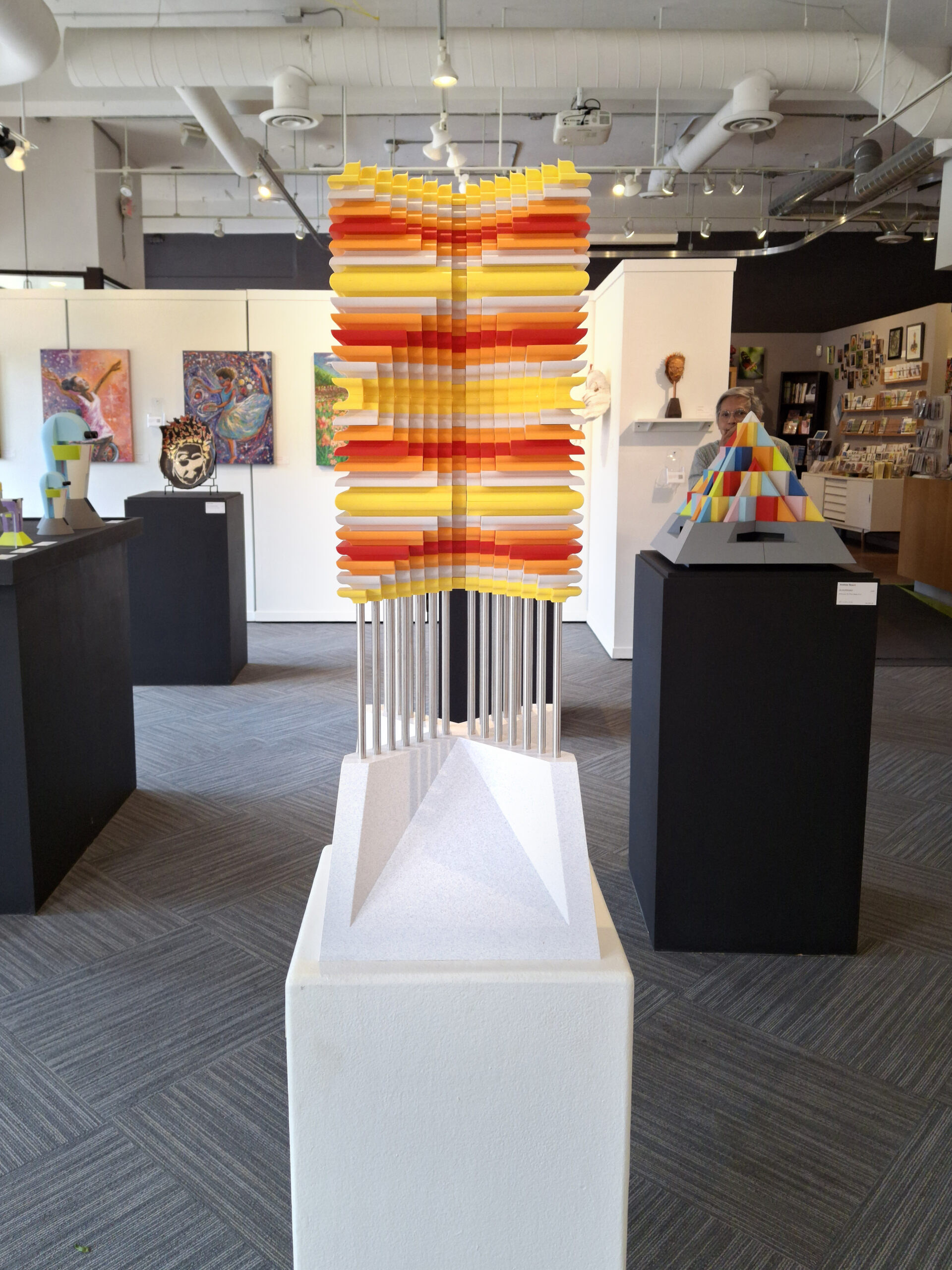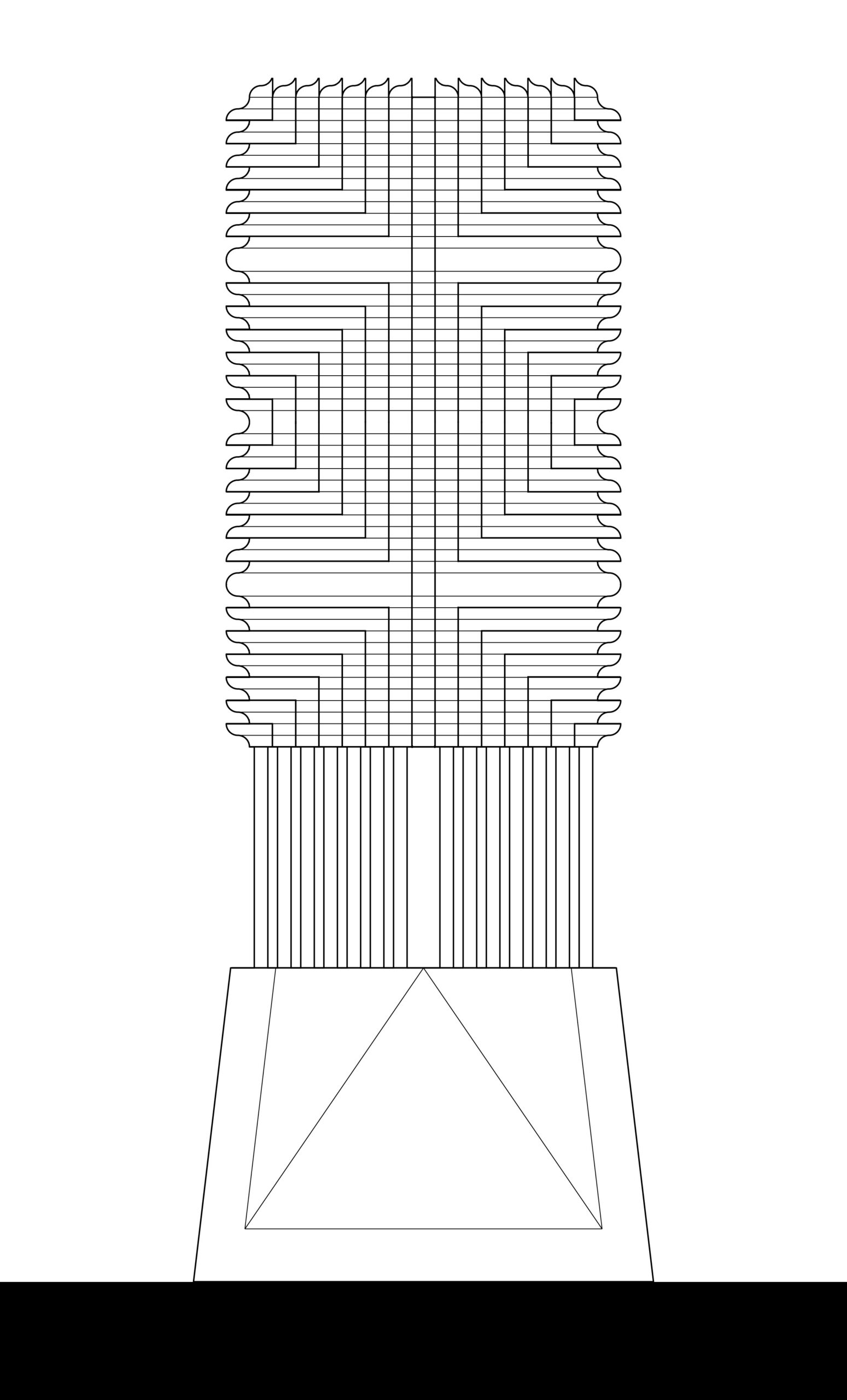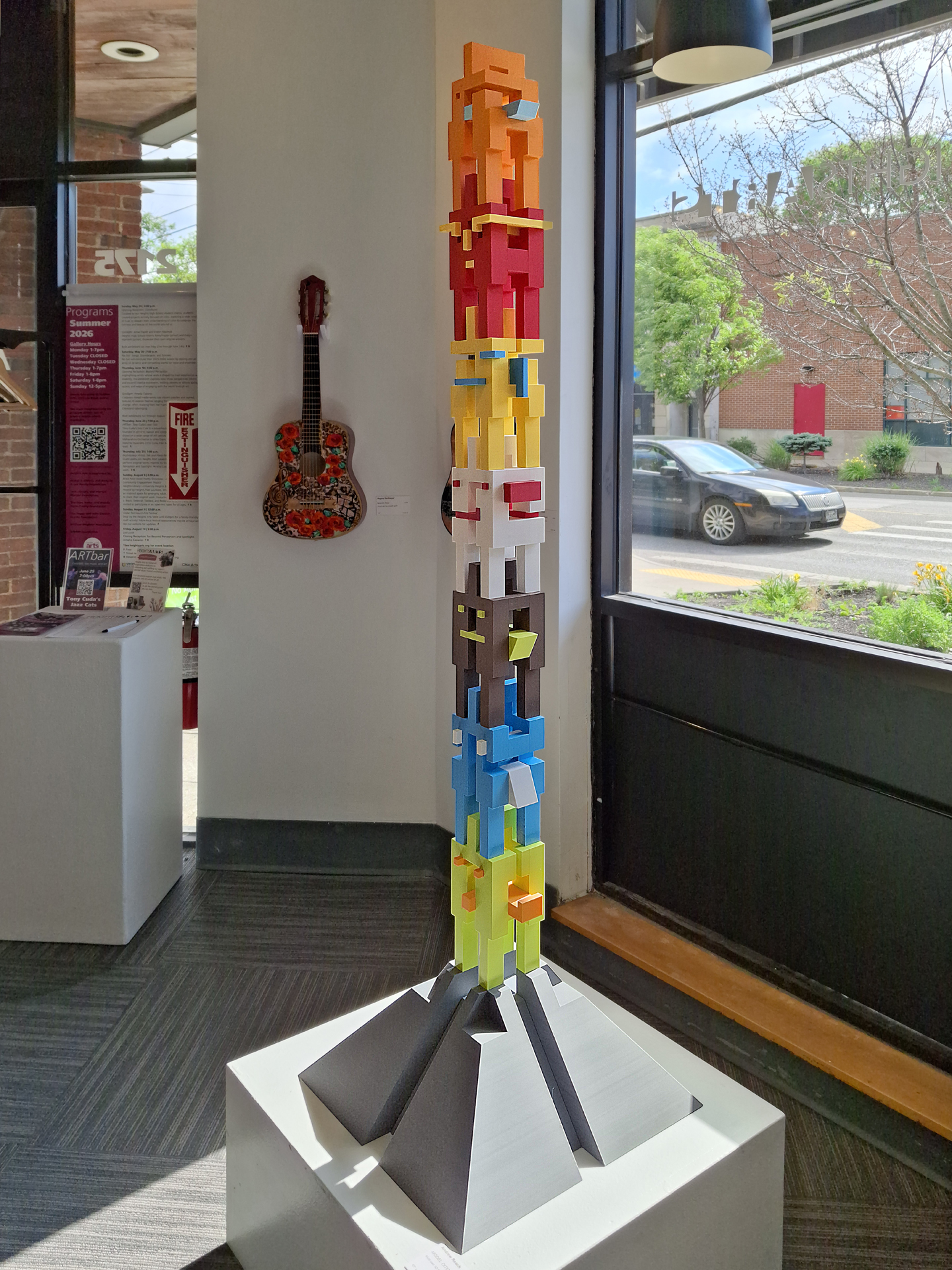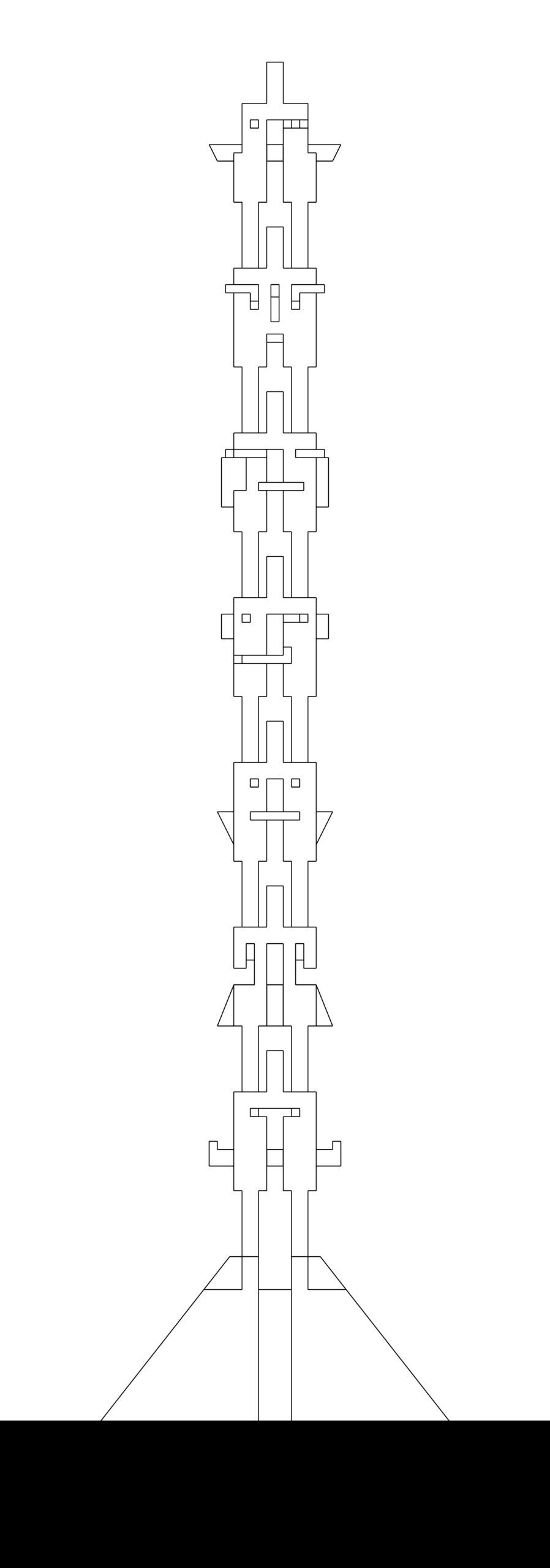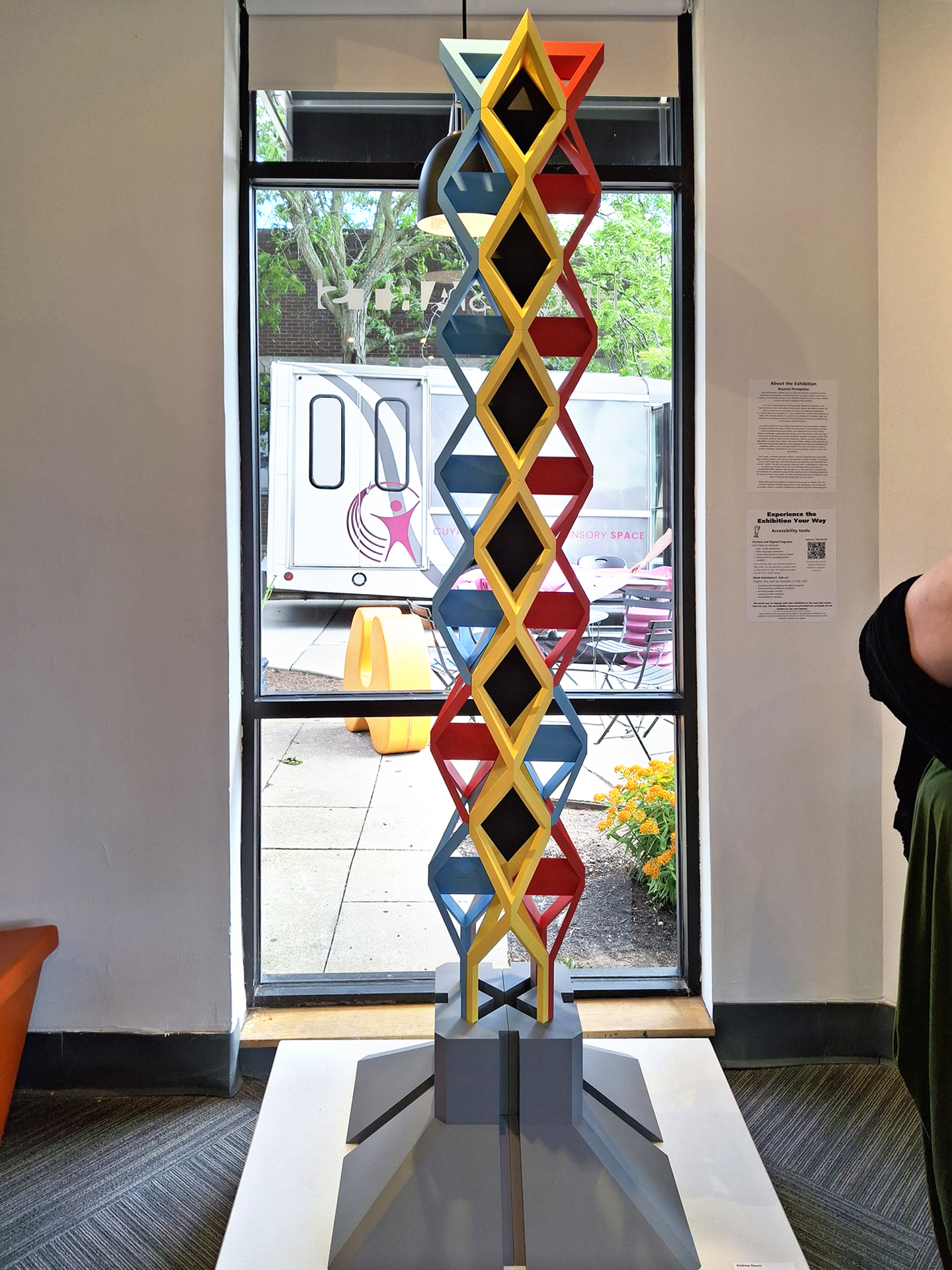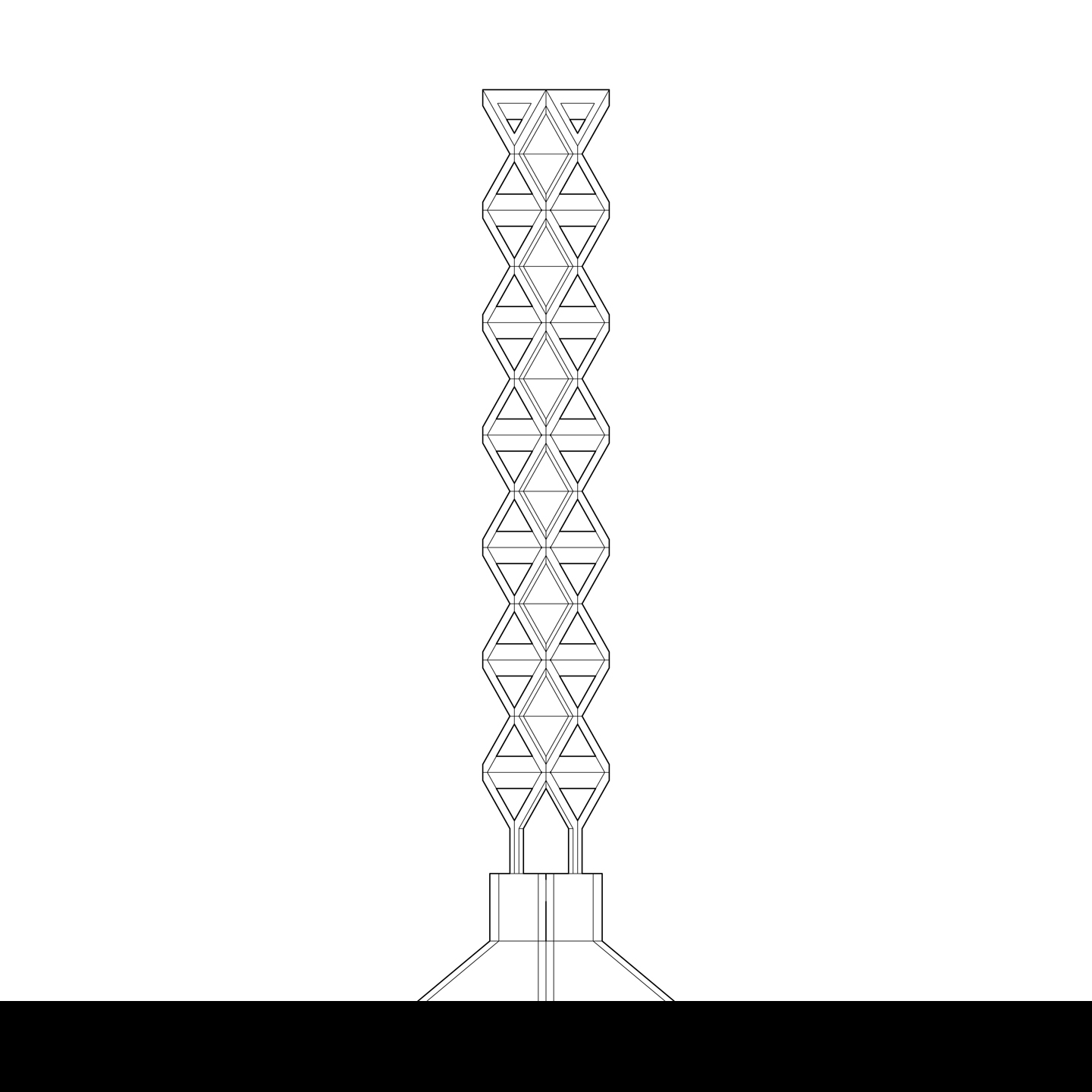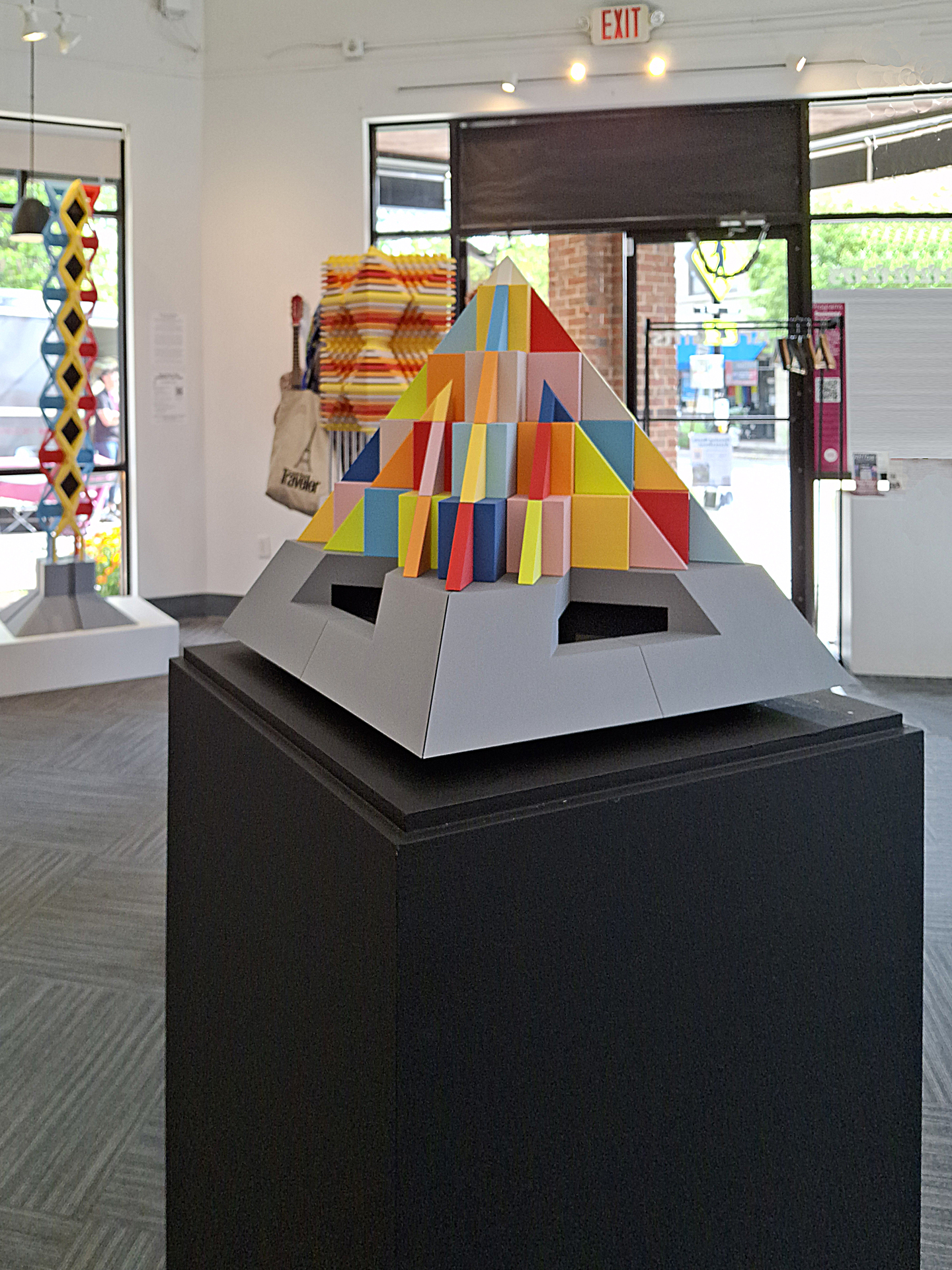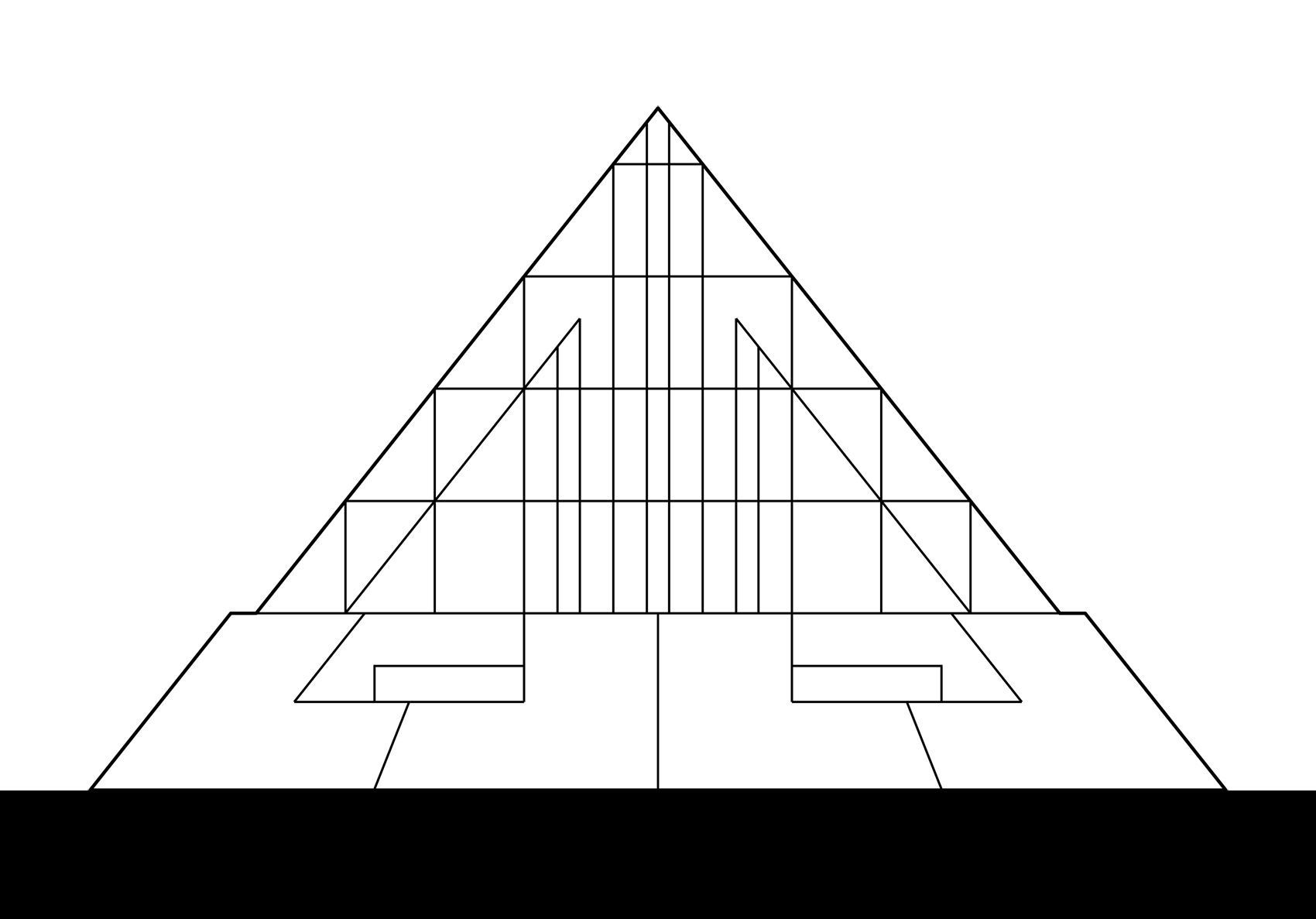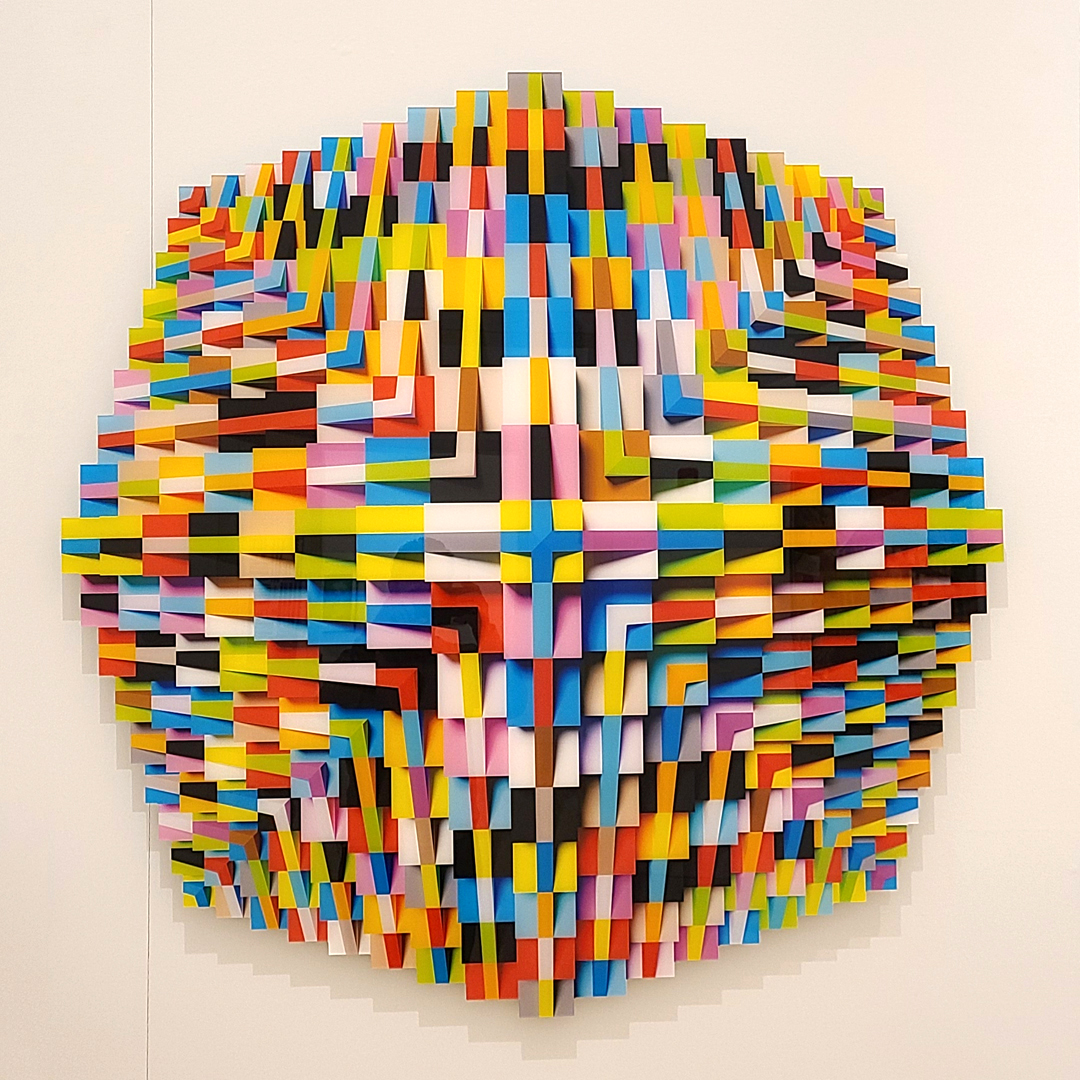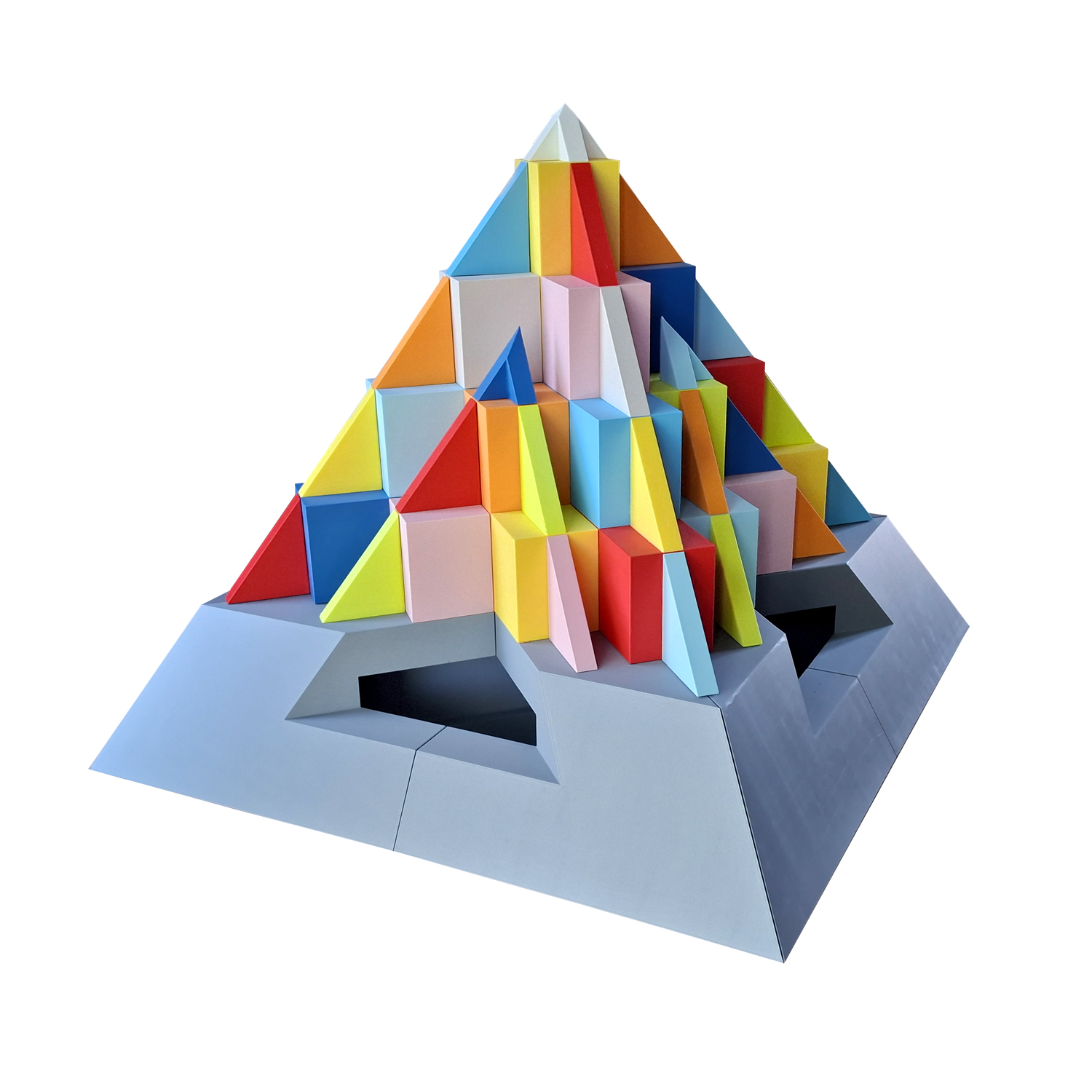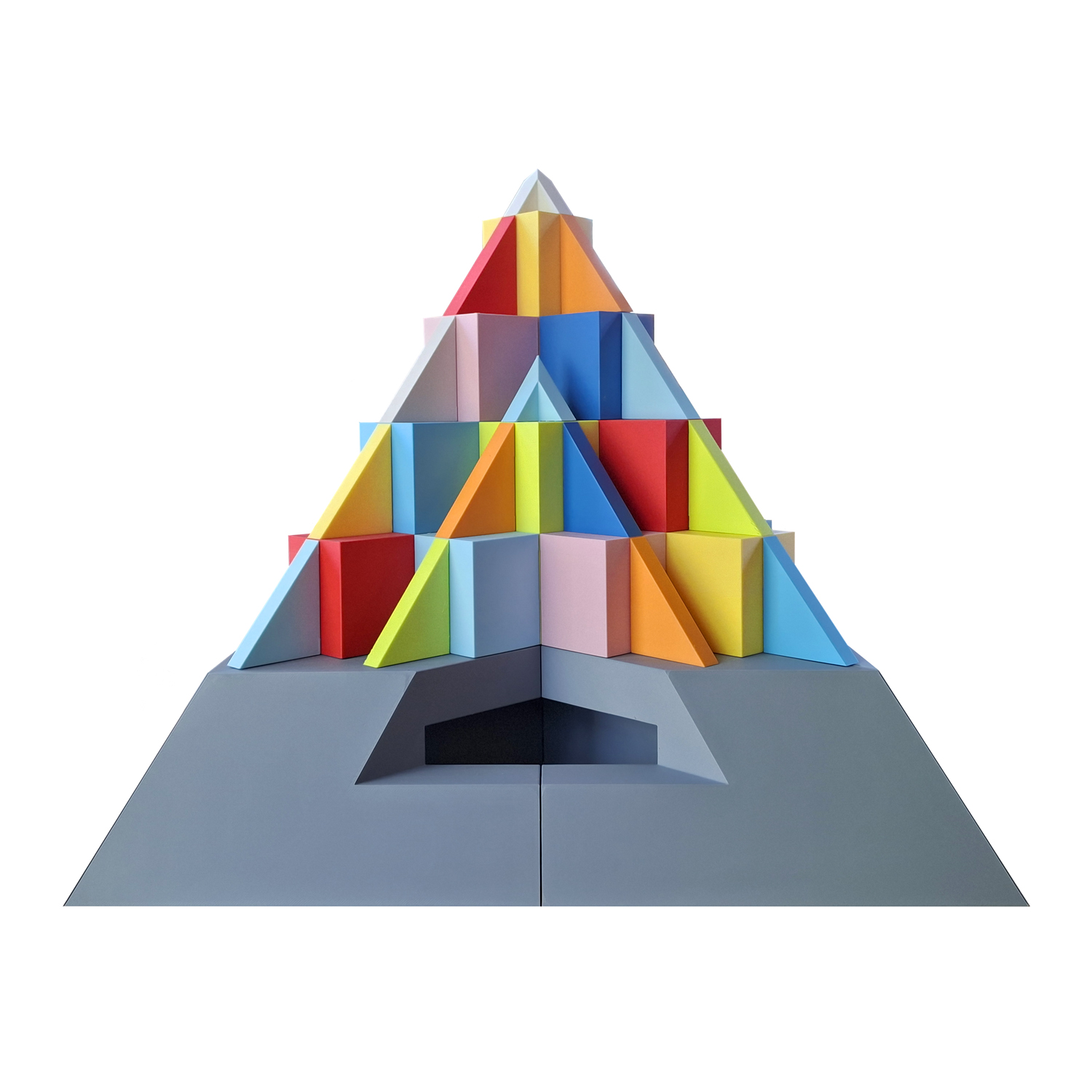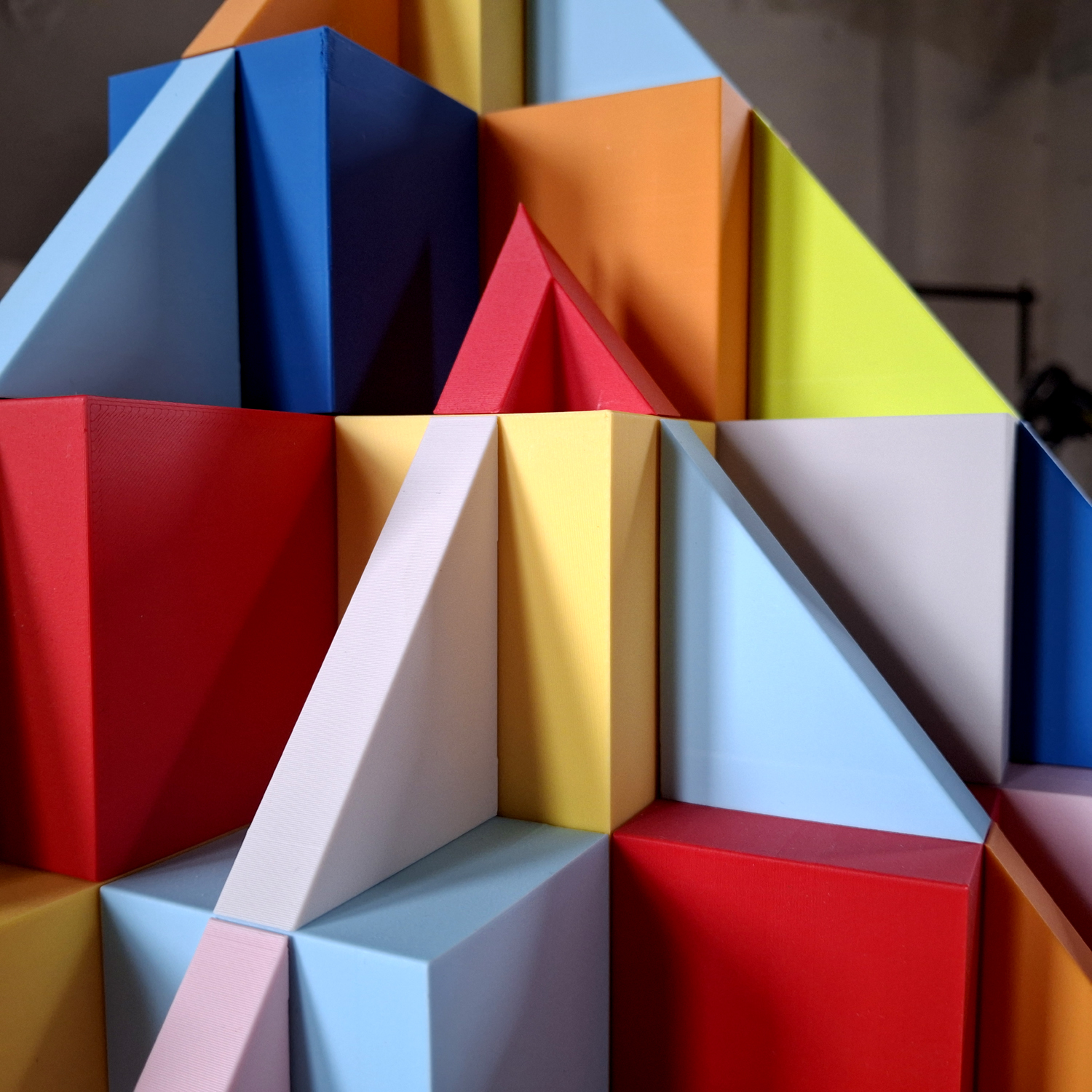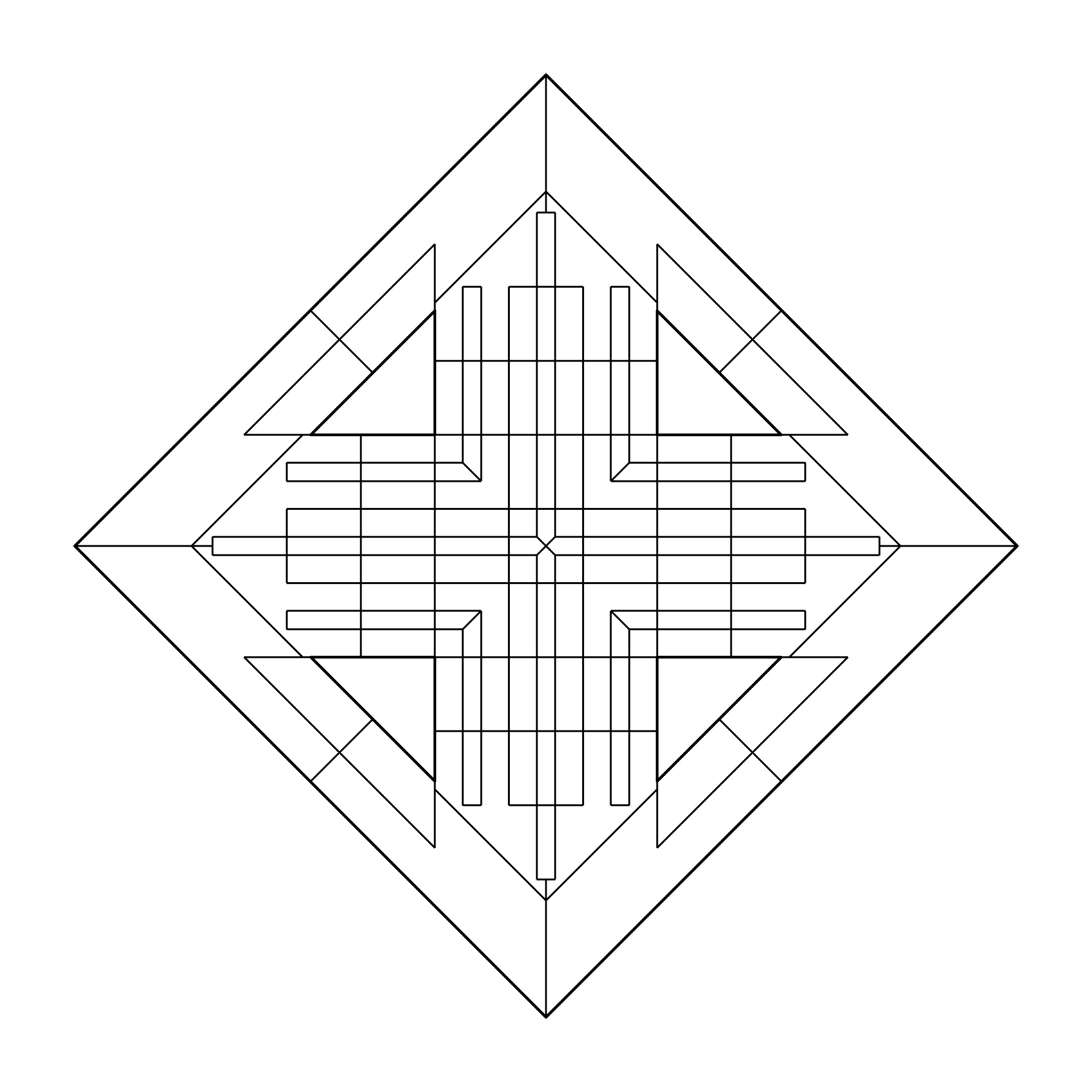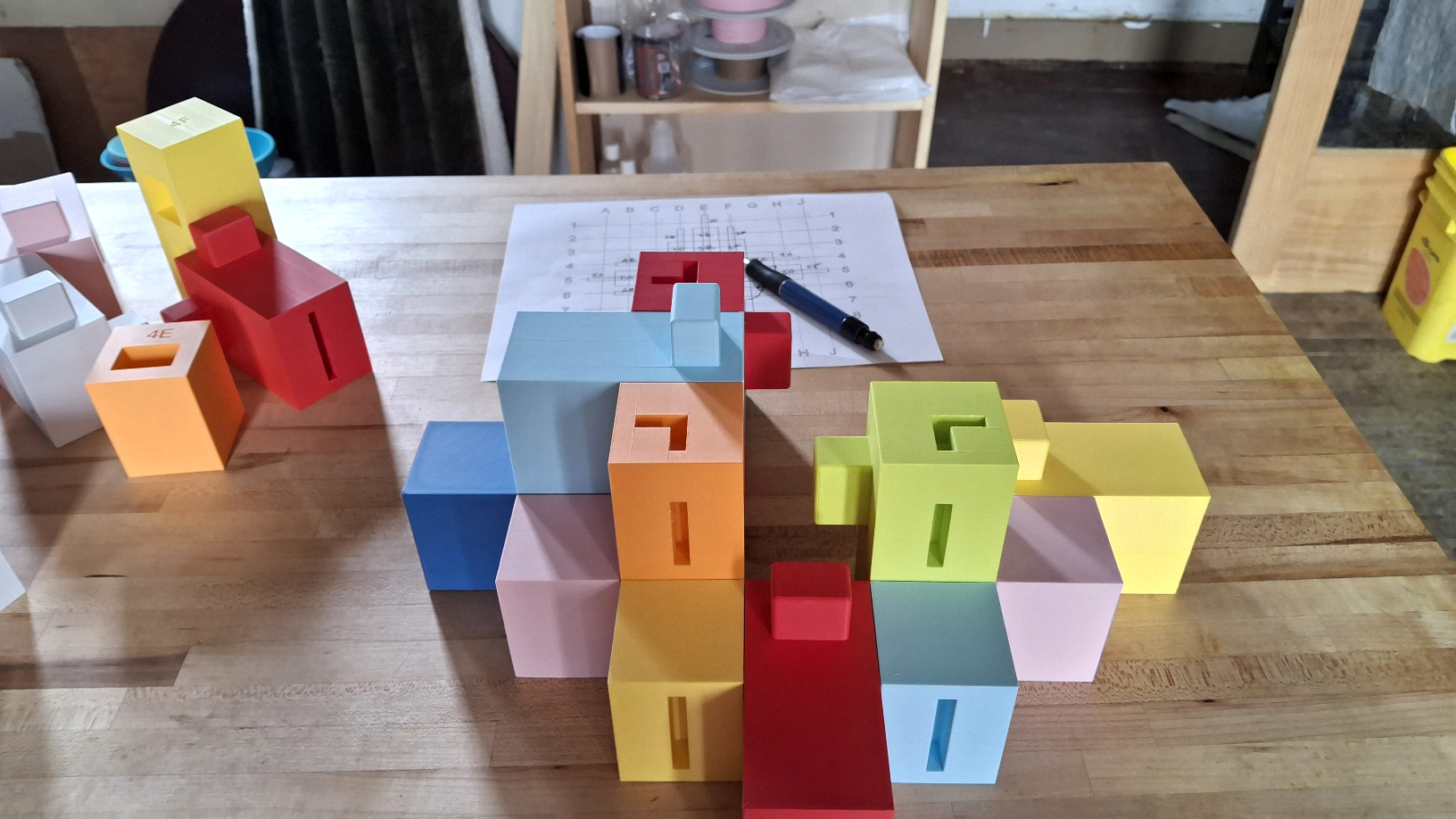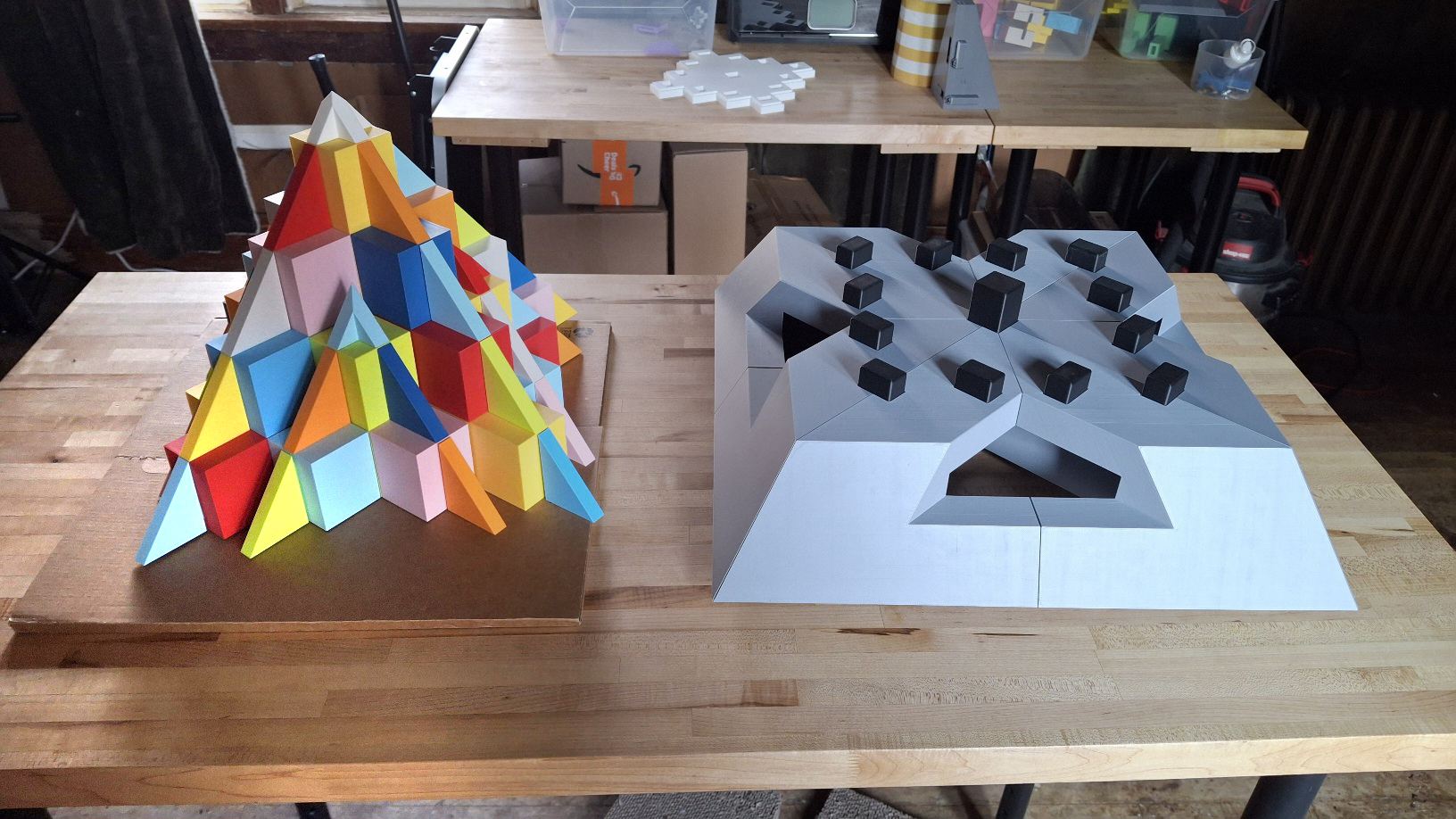

Pyramid Ancient Mathematics Stone Blocks Reinterpret Architecture Art Tectonic Systems 3D Models Engage Analog and Synthetic Analog Body Blood Feeds Brain Neurons Activated Controls Brain Moves Hand Controls Mouse Creates Work Synthetic The App The Machine Core XY 3D Printer Parts Blocks 25 Fins 37 Base 8 Puzzle 1 Solution
For best viewing experiece watch on YouTube. Enable Sound and make sure quality is set at 1440p HD (gear at lower right).
With the synthetic apps MOI and Blender, I stitch together archeological fragments of form. These tectonic building parts re-constitute, synthesizing some parts architecture, some parts sculpture — crossover constructions I think of as Art-itectures. These synthetic three-dimensional new bodies manifest a fourth dimensional “full life” in videos charged with light, shadow, movement and original music.
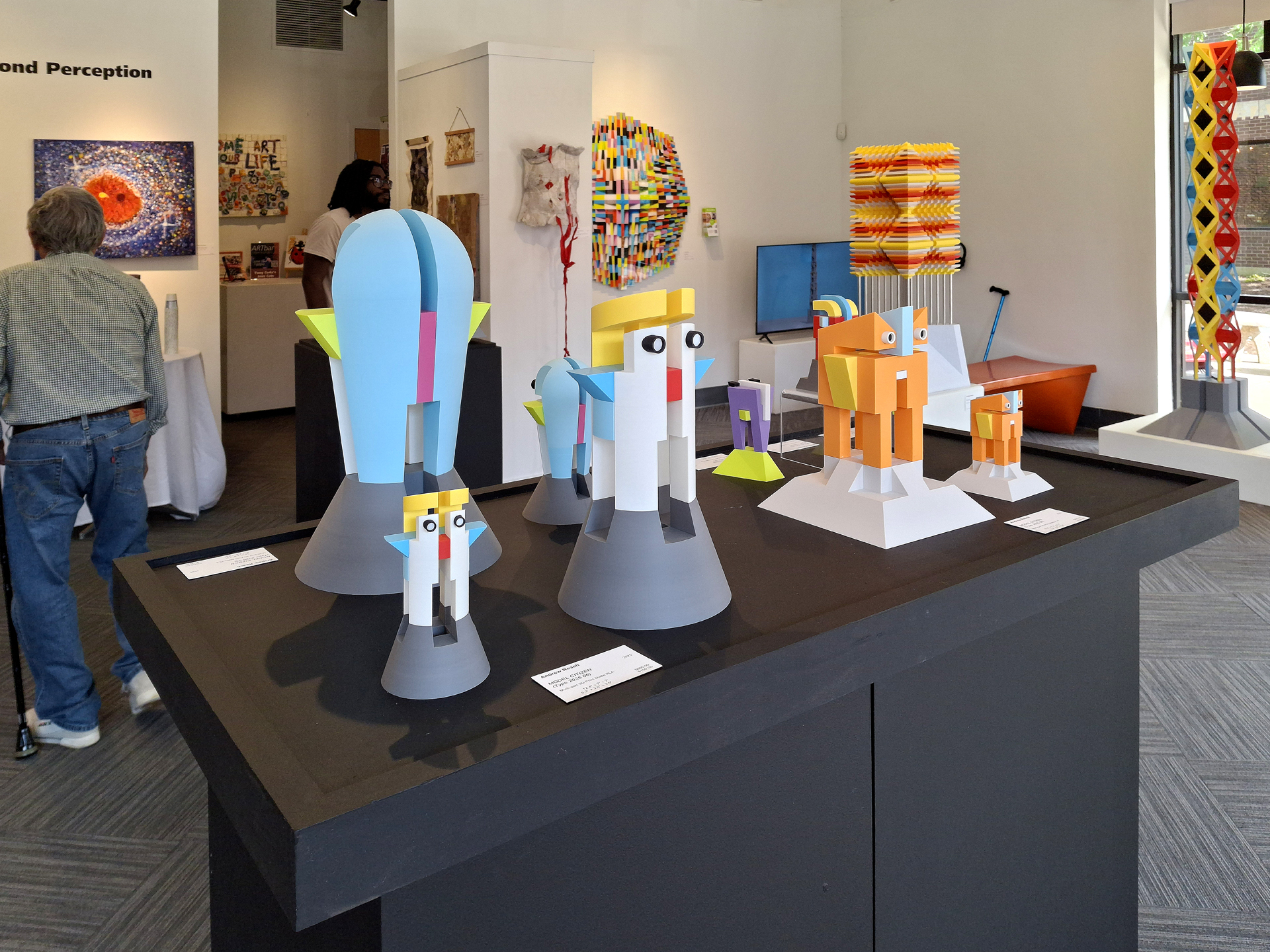
CITIZENS COLLECTIVE is Art-itecture. It features 17 volumetric abstractions; some architectural abstractions, some personas I call Model Citizens. Interconnected, they form a wall with two openings and a portal. Model Citizens represent the core of what are the keys to a healthy society; that we all contribute to the health of our communities, care for each other, respect our differences, and have love in our hearts, not hate. It sits on a mound. To ancient humans, the mound housed the sacred. Walking through the portal sliced through the mound, connects us with our ancient origins and the beginnings of organized society. In raw concrete (Béton brut) and painted aluminum, it’s conceived in the architecture movement, Brutalism.
Click on images to enlarge (except mobile devices)
Excited and honored that MODEL CITIZEN Suzy has been accepted into “Resilience in Pink”, a special exhibition on view from October 1–31 at the Summa Health Gallery.
From the call to Artists: “In recognition of Breast Cancer Awareness Month, Summa Health invites artists from all backgrounds and mediums to submit work for Resilience in Pink, an exhibition honoring the strength, courage, and experiences of individuals impacted by breast cancer.”
I began reconnecting to my roots as an architect 3 years ago using 3d modeling with the apps moi and blender to create Model Citizens. They are hybrid personas, part architecture and part sculpture. They represent something missing in today’s civic discourse, the notion that we are all in this together, that we should be good citizens that respect our differences and care about the common good. It seems that so many citizens are OK with scapegoating the ‘other’ and cruelty directed at them. We need to get back to what it means to be a good citizen. And part of being a good citizen is a responsibility to be caretakers and for society to acknowledge and provide the resources necessary for the citizenry to care for their loved ones with disease or disability including our mothers, daughters, sisters and friends with breast cancer. A Model Citizen has a voice, and demands from those in authority and power to prioritize funding for research into medical advances to cure disease, breast cancer among so many others that our citizenry faces every day. Model Citizens speak out to receive the resources for caretakers to assist the needed with dignity.
This Artist was awarded the Ohio Arts Council’s ADAP (Artists With Disabilities Access Program) Grant for FY 2026
For best viewing experiece watch on YouTube. Enable Sound and make sure quality is set at 1440p HD.
Kigumi Connection Animation
Why did I name this structure with the word Empyreal? The word evokes something celestial and inspiring awe. What is more awe inspiring than the concept of time? It looms over everything, yet it has no shape, no structure, no physicality. There are no atoms in time. I think about time a lot. I have downtime when I can’t work. This is a conundrum because time also has no direction, no up, no down, yet humans refer to periods of rest or relaxation or pause in one’s life as downtime. Ok. Where am I going with all of this? During this ‘downtime’, my mind wanders. This is when most of my ideas come to me. During one of these meanderings, I thought about making a structure that spoke to time, not a precise timekeeping device like a clock but something that occupied an isolated realm of contemplation for meditation on its intangible nature. But it would track time, just in a more abstract way.
I remembered learning at Pratt about the Japanese art of wood joinery called Kigumi. It has ancient origins dating back 4,000 years. I haven’t thought about it for many years, but I wasn’t able to sleep, pain was keeping me up, my mind wandered, and it came to me that this would be the solution to build this structure. Its ancient origins emphasize the relativity of human existence. We say 4,000 years is ancient but to time, it is a meaningless number. Predating the Iron Age, Kigumi is the art of connecting wood with interlocking joints without the use of nails or adhesive. Wood joinery is done with hand tools. This is how Shinto Temples are built. But here, I’m combining the traditional with modern technology; with mass-timber wood members whose wood comes from sustainable forestry and all the cut-outs done with a computer-controlled router which would enable pinpoint accuracy for everything to align properly. The tower has 1,938 horizontal members, 952 vertical members and 4,832 dowels with a height of 82 feet high to the top of the wood and 105 feet to the top of the spire.
The tower is surrounded by a 10-foot-high mound topped by a circular promenade, that like time, has no beginning, no end. To ancient humans, the mound has housed the sacred. Here, a mound houses the tower in its own realm. One enters this realm through a corridor cut through the mound whose splayed walls are a result of them being radially projected from the towers origin point. As you enter this corridor, space compresses and greets you with a portal upon which passing through, space is released. Ramps (handicap accessible) connect the lower plaza to the upper promenade. Moving around this circular ring enables the tower to be viewed in the round.
The morphology of Empyreal Tower emphasizes tectonics, using wood members in a way that allows the structure to be visible and understood. With a grid of wood, a cubic module of four vertical and four horizontal members stack in an arrangement giving its eight inverted rhombus shaped sections. It’s not unlike building with Legos, except the blocks are hollow instead of solid. Horizontal voids in the tower’s forest of wood house an upper and lower glass disk. Embedded in each glass disc is a white arm illuminated with Polymer-Dispersed Liquid Crystals (PDLC) technology. The arm on the lower disk makes one 360-degree revolution per day. The arm on the upper disk makes one 360-degree revolution per year. The movement on the arm of the upper disk is so slow it is imperceptible to the human eye. But with patience, one taking the time to watch the arm in the lower disk which rotates 30 degrees per hour (360 degrees divided by 12 hours per day), this movement is perceptible. A spire rises from the solid cube that supports the upper glass disk, connecting time to the celestial.
The center of the structure has a monumental opening. Open on its four sides, it’s like a giant mouth. Time is like that, like a mouth. It swallows everything in its path. It’s all powerful.